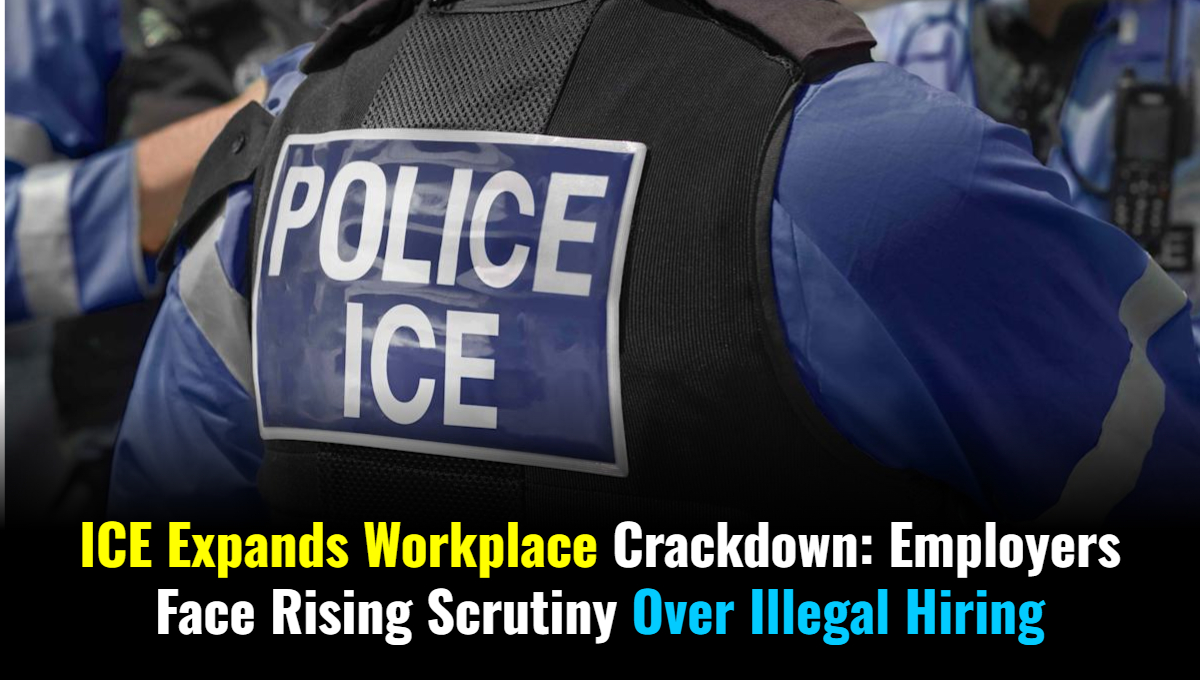

Immigration enforcement in the United States is entering a new phase as U.S. Immigration and Customs Enforcement (ICE) intensifies workplace investigations in 2026. Federal authorities are increasing the number of I-9 audits and worksite inspections aimed at determining whether businesses are properly verifying the legal employment status of their workers.
Officials say the goal is to focus on the “demand side” of illegal immigration by holding companies accountable if they knowingly hire individuals without authorization to work in the country.
Supporters of the strategy argue that enforcing hiring laws is one of the most effective ways to protect the American labor market. They believe companies that employ unauthorized workers sometimes gain an unfair advantage by lowering wages or bypassing labor regulations, which can hurt businesses that follow the rules.
By expanding inspections and financial penalties, advocates say the policy can promote fair competition, safeguard worker wages, and reduce incentives for illegal employment practices.
Several state governments are also adopting stricter employment verification rules to support federal enforcement. These policies increase penalties for companies that fail to follow hiring laws and aim to create a more consistent system across industries such as agriculture, construction, and hospitality.
sectors where unauthorized labor has historically been more common. Supporters say a coordinated federal-state approach could strengthen compliance and accountability across the job market.
However, critics warn that aggressive workplace enforcement could disrupt industries that rely heavily on immigrant labor and create economic challenges. Some business organizations and labor advocates argue that enforcement alone will not resolve workforce shortages and say broader immigration reform may be needed to create legal pathways for workers in high-demand sectors.
The growing focus on employer accountability reflects a larger national debate over immigration policy: whether enforcement efforts should primarily target individuals working without authorization or concentrate on the businesses that provide the economic incentive for unauthorized employment.