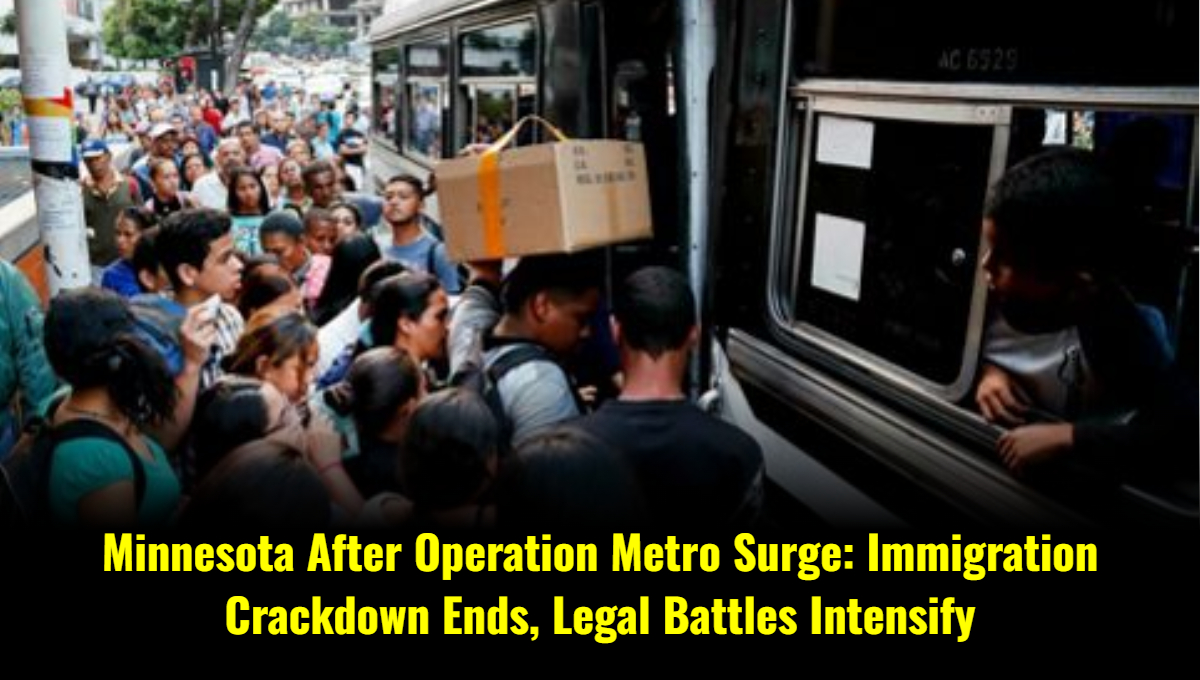

The conclusion of Operation Metro Surge marks the end of one of the largest immigration enforcement deployments in recent years in Minnesota. During the operation, thousands of federal agents were sent to the Minneapolis–St. Paul area as part of a federal effort to locate and remove non-citizens with criminal records. Officials said the operation was intended to strengthen immigration enforcement and address public safety concerns.
In early 2026, the administration confirmed that the surge phase had officially ended and that many of the additional federal agents assigned to the Twin Cities region would begin withdrawing.
However, authorities emphasized that immigration enforcement will continue in Minnesota and across the country through more targeted operations.
The focus, they say, will remain on individuals with criminal histories and those who already have final removal orders issued through the immigration system.
At the same time, the methods used during the operation have sparked significant legal challenges. A federal judge in Minnesota recently issued a preliminary injunction preventing federal authorities from detaining certain refugees solely because they had not yet secured permanent resident status.
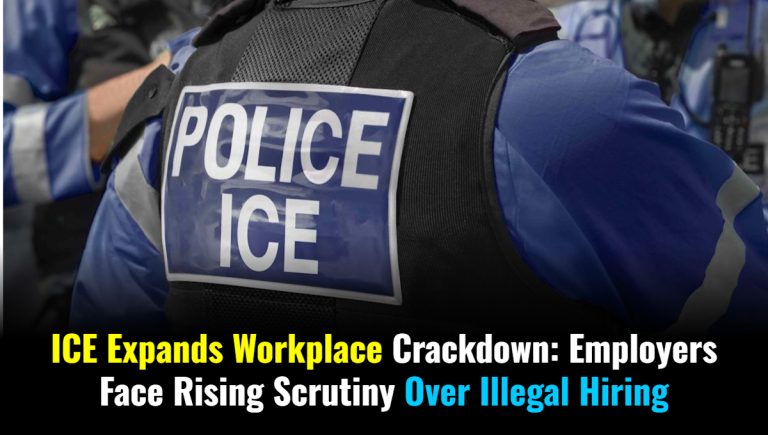
ICE Expands Workplace Crackdown: Employers Face Rising Scrutiny Over Illegal Hiring
The ruling suggested that the government’s interpretation of immigration law may have been too broad. Meanwhile, prosecutors in Hennepin County have opened investigations into the conduct of some federal officers involved in the operation.
The controversy surrounding the surge has highlighted the deep national divide over immigration enforcement. Supporters argue that large-scale operations are necessary to uphold immigration laws and restore order, especially in areas with sanctuary policies. Critics—including local officials and civil rights organizations—say the crackdown disrupted neighborhoods, schools, and businesses while raising concerns about civil liberties and federal overreach.
As court cases move forward and federal agencies transition to more targeted enforcement strategies, Minnesota continues to sit at the center of the national debate over immigration policy, public safety, and the balance between federal authority and local governance.